
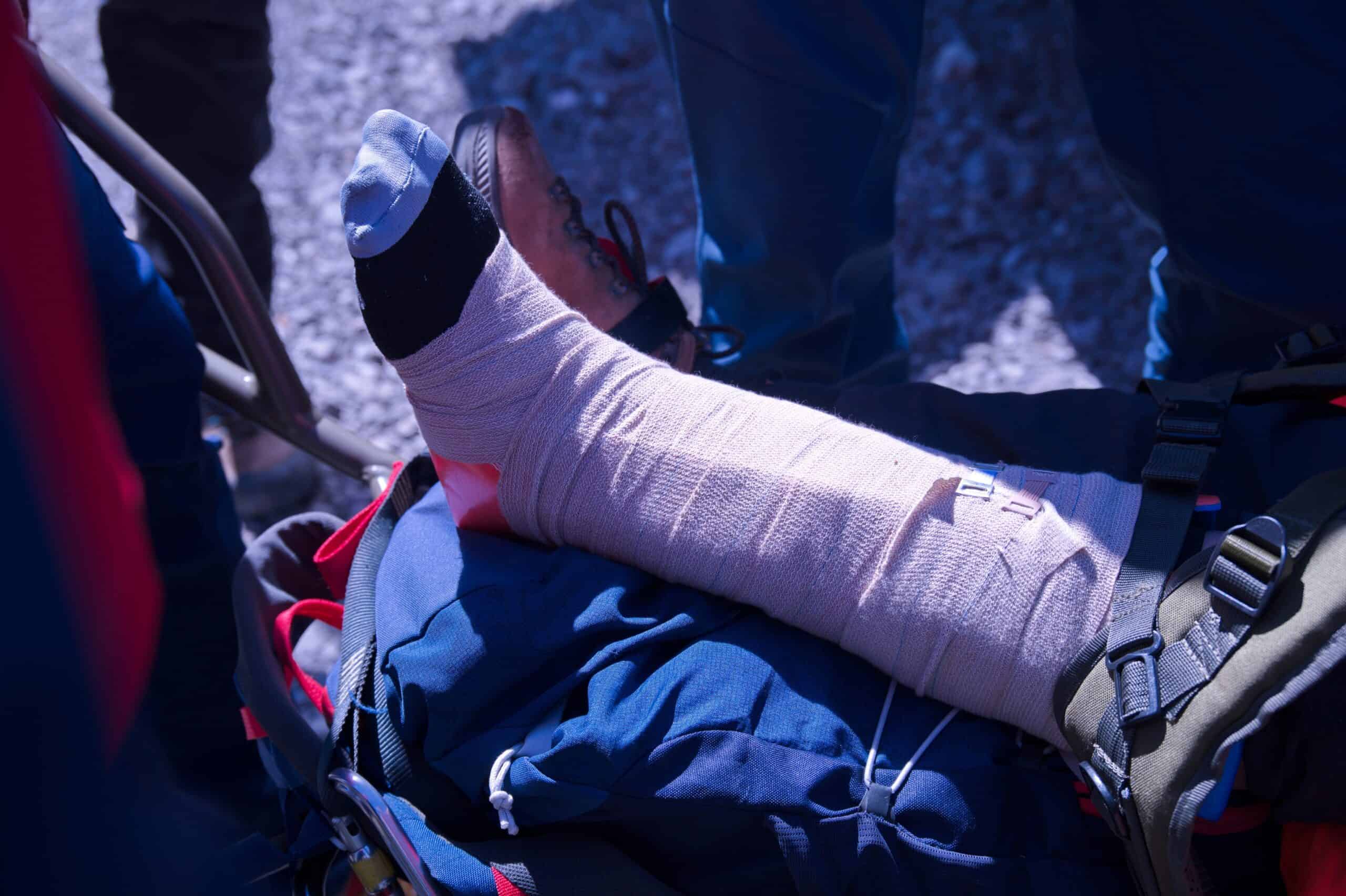
Understanding what is considered a personal injury case can help you determine whether an injury caused by someone else’s negligence may give you the right to pursue legal action. In simple terms, a personal injury case arises when a person suffers harm because another party failed to exercise reasonable care or acted in a way that caused preventable harm.
Personal injury law exists within civil law and allows injured individuals to seek compensation for the losses they experience after an accident or harmful incident. These cases may involve vehicle crashes, unsafe property conditions, defective products, or medical negligence. When an injury occurred because another party breached their legal duty, the injured party may have the right to pursue a personal injury claim.
Personal Injury Law Basics
Personal injury law focuses on protecting individuals who suffer harm due to another person or entity’s negligence or intentional actions. Unlike criminal cases, which are prosecuted by the government, personal injury cases are civil legal disputes between the injured party and the party responsible for the harm.
At the core of most personal injury claims is the concept of negligence. In legal terms, negligence occurs when someone fails to act with the level of care that a reasonable person would exercise under similar circumstances.
For a typical personal injury case to move forward, several legal elements generally must be present:
- Legal duty: The responsible party had a legal obligation to act safely or exercise reasonable care.
- Breach of duty: The defendant failed to meet that legal obligation.
- Causation: The defendant breached their duty and caused the injury.
- Damages: The injured person experienced losses such as medical expenses, lost wages, or emotional distress.
If these elements can be demonstrated, the injured party may have a valid personal injury lawsuit.
Most personal injury cases are resolved through negotiations with an insurance company rather than going to trial, but the legal foundation remains the same whether the case settles or proceeds to court.
Types of Personal Injury Claims
Many situations can give rise to personal injury claims. The specific type of case depends on how the injury occurred and who may be legally responsible.
Below are some of the most common types of personal injury claims.
Vehicle Accidents
Vehicle accidents are among the most common causes of personal injury lawsuits. These cases often involve negligence such as distracted driving, speeding, or failure to obey traffic laws.
Examples include:
These accidents can lead to severe injuries, including traumatic brain injuries, spinal cord injuries, and other catastrophic injuries. Because vehicle accidents often involve insurance coverage, negotiations frequently involve insurance adjusters representing the at-fault party.
Premises Liability and Property Hazards
Property owners have a legal responsibility to maintain reasonably safe conditions for visitors. When property owners fail to address hazards, serious injuries may occur.
Common premises liability incidents include:
- Fall accidents due to wet floors or uneven surfaces
- Unsafe stairways or walkways
- Swimming pool accidents
- Inadequate security that leads to injuries
In these cases, an injured person may pursue a personal injury claim if the property owner failed to exercise reasonable care in maintaining their property.
Workplace Accidents
Workplace accidents can result in significant injuries and financial hardship. In many situations, injured workers may pursue a workers’ compensation claim to receive workers compensation benefits such as coverage for medical bills and lost income.
However, some workplace accidents may also involve third-party liability. For example, if defective equipment or another contractor caused the injury, a personal injury lawsuit may also be possible in addition to workers’ compensation benefits.
Workplace accidents can include:
- Construction accidents
- Equipment failures
- Exposure to hazardous materials
- Unsafe working conditions
These situations often require careful legal analysis to determine the best path for recovering compensation.
Medical Malpractice
Medical malpractice occurs when a healthcare provider fails to meet accepted medical standards of care. When negligence by a healthcare provider results in harm, the injured party may pursue a personal injury claim.
Examples of medical malpractice include:
- Surgical errors
- Misdiagnosis or delayed diagnosis
- Medication mistakes
- Birth injuries
Medical malpractice cases often rely heavily on medical records, expert testimony, and detailed investigation to determine whether the healthcare provider failed to provide appropriate care.
Product Liability
Manufacturers, designers, and distributors have a responsibility to ensure their products are reasonably safe for consumers. When dangerous or defective products cause harm, injured individuals may pursue a product liability claim.
Product liability claims may involve:
- Defective design
- Manufacturing defects
- Failure to provide adequate warnings
These cases can involve a wide range of products, from household appliances to medical devices.
Intentional Harm and Abuse
Some personal injury cases arise from intentional acts rather than negligence. Examples include assault, nursing home abuse, or other harmful conduct that intentionally causes injury.
These cases may involve both criminal charges and civil lawsuits, allowing victims to seek monetary compensation for their injuries.
Wrongful Death
When a person dies as a result of another party’s negligence or misconduct, surviving family members may pursue wrongful death claims. These cases allow families to seek compensation for losses such as funeral expenses, lost income, and emotional suffering.
Wrongful death claims can arise from many types of accidents, including vehicle accidents, medical malpractice, workplace accidents, or defective products.
When an Injury Becomes a Legal Claim
Not every injury automatically leads to a personal injury lawsuit. For a legal claim to exist, there must be evidence that another party bears legal responsibility for the harm.
Several factors often determine whether an injury claim may be viable:
- Evidence that the defendant breached their legal duty
- Documentation showing how the injury occurred
- Medical records confirming the extent of the injury
- Witness statements supporting the events surrounding the accident
In addition, the injured party must generally file their claim within the statute of limitations set by local laws. If the statute of limitations expires, the injured person may lose the right to pursue compensation entirely.
Because of these deadlines, it is important to understand the legal options available as soon as possible after an injury occurs.
Types of Personal Injury Damages
A successful personal injury lawsuit allows injured individuals to seek financial recovery for the losses caused by an accident. These losses are known as personal injury damages. Personal injury damages generally fall into two main categories.
| Type of Damages | Description |
| Economic damages | Financial losses such as medical expenses, lost wages, rehabilitation costs, and other measurable expenses |
| Non-economic damages | Intangible losses such as emotional distress, mental anguish, psychological trauma, and physical pain |
| Punitive damages | In rare cases, courts may award punitive damages to punish especially reckless or intentional misconduct |
Together, these damages help injured individuals pursue fair compensation and financial recovery after serious accidents.
When to Contact a Personal Injury Attorney
Navigating a personal injury claim can be challenging, particularly when insurance companies dispute liability or minimize the severity of injuries.
An experienced personal injury attorney, like those at The Joel Bieber Firm, can help evaluate whether a situation qualifies as a personal injury case and explain the legal options available. Experienced personal injury attorneys may assist with:
- Investigating the accident
- Gathering medical records and evidence
- Communicating with insurance companies
- Negotiating settlements
- Representing clients in court when necessary
Working with a personal injury lawyer can help injured individuals better understand their rights and pursue the compensation they may be entitled to receive.
If you or a loved one suffered injuries due to another party’s negligence, consulting a personal injury attorney may be an important step toward seeking justice and financial recovery. Contact us at The Joel Bieber Firm today.
FAQs
Q: What qualifies as a personal injury case? A personal injury case typically involves harm caused by another party’s negligence or intentional actions. The injured party may pursue compensation if another person or entity failed to exercise reasonable care.
Q: What are the most common types of personal injury cases? Common types of personal injury cases include car accidents, motorcycle accidents, fall accidents, workplace accidents, medical malpractice, product liability, and wrongful death claims.
Q: How long do I have to file a personal injury claim? The time limit for filing a personal injury claim is determined by the statute of limitations, which varies by state and situation. Missing this deadline can prevent you from pursuing compensation. Read our full blog on when it’s too late to file a personal injury claim here.
Q: What damages can be recovered in a personal injury case? Damages may include economic damages such as medical expenses and lost wages, as well as non-economic damages like emotional distress, mental anguish, and physical pain. Read our full blog on personal injury compensation here.
Q: Do all personal injury cases go to court? No. Most personal injury cases are resolved through negotiations with insurance companies. However, if a fair settlement cannot be reached, the case may proceed to court.